
From Talent Gaps to Workforce Wins: Expert Insights on Life Sciences Hiring
Life sciences hiring is evolving fast – shaped by competition, technology, and shifting workforce expectations. Discover expert insights to transform talent gaps into lasting workforce wins.


Summary
In this episode of Advancing Talent Acquisition, host Michelle Krier sits down with Peter Webster, a veteran talent acquisition and HR technology leader with more than 20 years of experience in life sciences and CDMOs. Peter shares how the industry’s hiring landscape has shifted dramatically with the rise of biotech startups, generational changes, and new expectations around flexibility, purpose, and skills-based hiring. He explores why focusing on quality of hire, not just time to fill, has become a critical measure of success, and how technology, metrics, and candidate experience must all work together.
Episode 15
Michelle Krier
Welcome to Advancing Talent Acquisition, the Advanced RPO Podcast. Today I’m joined by Pete Webster, an accomplished and highly respected talent acquisition executive. Welcome, Pete. Thanks for joining me today.
Peter Webster
Hi Michelle. It’s great to be here. Thanks for asking.
Michelle Krier
Before we get into our discussion, I would love for you to share a little bit about your background and experience for our listeners.
Peter Webster
Sure. So, hi everyone. As Michelle said, my name is Pete Webster and I’ve been in the HR space for, I sometimes hate to admit, 30 years here. And it’s really centered around, Those 30 years are really centered around HR and talent acquisition and HR technology specifically. ⁓ 20 plus of those years have been in the life sciences and CDMO space.
For instance, at Merck, I spent 10 years at Merck in various HR roles, but I think I’m most proud of the work where I supported the Vaccines Division during a huge period of growth to support four major product launches in a year, helping to scale up their commercial and medical teams.
From there, I moved into Catalan, which is a premier CDMO organization where I led global talent acquisition and then later the HR technology and analytics function. This supported thousands of hires each year across multiple continents. We grew from 3,000 employees when I joined to 19,000 when I left.
We implemented systems like Workday to help bring our data processes and recruiting strategy all together into one platform. Today, I have my own company called Webster Search and Consulting and I partner with various companies where I help them understand how they can improve, how they attract and retain talent, modernize their HR technology that supports this. And on occasion, they asked me to fill some critical leadership roles. I would say that what I really truly enjoy is working in the life sciences area, helping those industries and those companies build their teams, get the right people in to grow, to innovate, and to me to deliver life-changing medicines to patients. It’s a former CEO once said, we have to remember that behind every dose, every medication that we produce, there’s a person and we’re doing this to improve their lives.
Michelle Krier
Great reminder. Absolutely. And thank you for sharing that background that you’ve got such great experience. And that’s exactly why I wanted to have you join our podcast was to have you share all of that experience, not only in the HR and HR tech industry, but specifically in the life sciences industry and that industry right now, I feel like now more than ever before is just exploding with, you know, everyone is seeing the news out there about ⁓ whether it’s to manage diabetes, focusing on cancer care, right? There’s just so many things happening in that industry right now.
You’ve seen clearly the life sciences and pharma industry evolve quite a bit over the years, I’m sure. To you, what makes talent acquisition uniquely challenging in this particular industry as compared to others that you’ve worked in?
Peter Webster
So I think the industry, this industry itself has changed dramatically over the last couple of decades. And even in the last five years, it’s completely changed. ⁓ Really with the emergence of small biotech cell and gene therapy companies ⁓ that have come out in the last 15 years to really compete for the same talent that the large pharma companies were looking for.
You couple that with mergers and acquisitions that have occurred. Companies really have had to almost reinvent how they attract and also retain talent. The entire playing field has changed for these companies, even from compensation where back in 20 years ago, a person would join a company and they would just get two weeks of vacation and have to wait five years until they get another week of vacation if they were lucky ⁓ to companies that when these small biotechs and cell and gene therapy companies came out, they’re offering stock options, they’re offering unlimited PTO, it really changed how these companies had to compete. you also have this landscape while it was competitive, now it’s more competitive.
You then have on top of that generational changes that have occurred across the landscape. ⁓ What was important for one generation may not have been as important for another. While salary has always been important, some generations started looking for something like company mission, purpose, more flexibility. So talent acquisition professionals really have to be aware of their business.
There’s a phrase out there, business acumen, that’s a skill that all talent acquisition professionals really need to know. You have to know your business. You have to know the industry and sometimes the segment within the industry that you’re competing against. And that is really that with understanding what your competition is doing and even other industries that you’re competing for for the same level of talent. So it’s no longer: I’m in pharma and I’m trying to recruit from another pharma company. It’s: I’m in pharmaceutical manufacturing and I’m trying to recruit people for positions where they may be working for an Amazon or another company or another industry or they’re in the automotive industry. It’s those types of things that you have to be aware of and that’s really what’s made the whole landscape challenging.
Michelle Krier
There are so many different facets to attracting talent acquisition or to attracting talent to an organization. You just touched on several of them. I think I read the other day, I know there’s at least five generations. I can’t remember if there might be six now in the workforce, which is crazy to think of, right? Because you’re right. What is important to somebody closer to retirement is completely different than something that’s important to somebody just entering the workforce from a benefits, a culture, a career progression standpoint or perspective. ⁓ Then you also have just the rapidly changing ⁓ technology that all of us are using every single day. Right?
And then you also on top of it to what you just mentioned as well, just knowing that your talent competitors are different from your company competitors. And somebody in a different industry might actually have the skills and transferable knowledge that could work for your particular company in the life sciences industry. So I wanted to just have you go a little bit deeper on everything you just said there by asking you about what you’ve seen broadly in the industry. Are TA leaders keeping up with all of that? That’s a lot to juggle on top of everything else that’s going on in the organization or is there a particular facet that you touched on that you’re seeing companies lagging with a little bit more than others?
Peter Webster
So I think you’ve kind of touched on it a little bit. I think that companies now have to start thinking differently in terms of hiring the right talent at the right time. And when I say the right talent, mean, it’s no longer, I need to find a person with a four year degree in this discipline to do this type of job. It’s not that, it’s the skills that the individual brings to the table. And that’s where companies are starting, that’s where they have to start shifting their mindset. And we hear about skills, knowledge that people are trying to recruit for, but we have to, companies need to start to think more about skills to hire versus degrees. Because that’s really, it’s skills versus education degrees that you’re really looking for.
And so how do you then, as a talent acquisition professional, how do you know what are the skills you need to have? And companies have to then start to say, all right, well, here’s this job, here’s this work that is critical to our organization. What are the skills that are needed to do that role successfully? And how do I assess that that person has that? And then you have all the technology that is rolling out as fast as anyone can imagine on assessment tools, job leadership profiles. All of these things are coming out and it’s like, how much do you use as a TA professional without completely destroying the candidate experience, which is the other piece of the coin. It’s the other side of the coin here. Talent acquisition professionals are busy – I’d say they’re overworked to some point. So they want tools that are gonna help ease the burden for them to get them to the qualified candidates, but they still have to be the human in the loop of all of that technology that’s out there. So it’s a challenge, it really is to move away from this which once was a very rigid process to now you have to be extremely flexible and be able to put in types of technology to aid in the surfacing of talent, not have it alienate your candidates. It’s very easy for a person to let other people know of a bad experience through different tools like Glassdoor and other places. They can certainly say, never heard back, I got ghosted from this company, and that’s not something that you want.
Michelle Krier
And I think in addition to focusing on skills and not just education, there’s also the added component of ⁓ somebody’s aptitude, right? So how do you also then judge somebody who may have not exactly all of the skills, but some of the skills and how willing or able they are to quickly bridge that gap? Right? So you’ve got that component of it too.
Peter Webster
It’s very tough and it’s a juggling act. And I think it’s hard for talent acquisition professionals to stay on top of all the things that are rolling out. One of the things that we often see is just from a technology standpoint is there’s so much technology out there. Everyone’s almost looking for that silver bullet, right? ⁓ I think when I say this, it won’t be a big surprise to everyone out there. There is no silver bullet, right?
You have to understand what is the problem that you’re trying to solve for first. And then you have to then go and find the solution for that. And your solution may be multifaceted. It may not be just one tool. And then people implement a tool or a set of tools. Then you have to, your work’s not done there. Then there’s going to be a learning curve, there’s going to be measuring your responses, measuring the capability of the tools that you’ve implemented, and are you really getting what you’re looking for? And then so often you’ll hear people say after a year of having a tool in place, this system is horrible. I hate this system. It doesn’t do what I want it to do. Okay, well, what is it not doing? There’s always some rework that gets done. You have to become proficient in the tool and then you modify the tool. It’s a constantly changing landscape that they have to worry about.
Michelle Krier
Yeah, it’s never gonna do everything you need to do right out of the box, right? There’s no one size fits all. Yeah, component of it. So I know we talked a little bit about some of the challenges that we’re seeing, right? We talked about skills versus education and aptitude and things like that. What are some of the other big recruiting challenges facing specifically life sciences and pharma companies right now?
Peter Webster
So just being the competing for talent is, as I said before, right talent at the right time. But I really think the other big challenge is being able to measure how you’re doing. Reporting and metrics are extremely critical. the companies need to start. I think the challenge that people are having now is they need to move away from the old time to fill mindset to quality of hire mindset. It’s very easy to say, I need to fill jobs as fast as possible. And it’s great if you can fill a job in 20 days, that sounds great on the surface. But if those people that you’re hiring in 20 days are leaving within the first 90 days, you’re spinning your wheels. You’re wasting time and you’re wasting money.
You have to be able to then say, what’s the most efficient way for me to hire people that are going to be successful and stick with the company so that you’re really hiring for growth versus attrition. That’s, I think, the big challenge, especially in life sciences. And then you put all the automation on top of that. Right?
That’s just the other piece I think is that we talked a little bit about is, you you want to automate because you have to. That’s the only way you’re going to survive is to put some level of automation in there. But again, it’s what level of automation? I was reading something the other day where a company was boasting that they could essentially have a person apply online and almost get an offer as they were applying within that one setting. I don’t know how that’s possible. I don’t know how that you have a quality of hiring that. I’d love to see what they do just to really understand it, but that’s a big challenge.
Michelle Krier
So what are some of the ways that companies can measure quality of hire? What should they be looking at to say, yes, we’re, we’re doing well from that metric.
Peter Webster
So what you want to do is you want to look at quality of hire. You should measure a couple of different points in the process. In that first year, you want to look at your attrition, understand how many people are you hiring or leaving within that first 90 days. And you’re you need to have an exit interview strategy to understand where they’re failing. Some of those people will maybe not be passing training. So those individuals will say this wasn’t the work for me. But that 90 day attrition rate really gives you insight on are you finding the right candidate in your process. Then if you look at people that are leaving it ⁓ between 90 days and six months, what’s that, what is the failure rate, why is there a failure rate at that level, at that milestone? Is it training? Is it, are there other aspects that are causing people to leave?
And then it’s at one year, you want to then be looking at, now that I’ve had people that have been here a year, how are they doing? What’s the percentage of my employees that I’ve hired that in their first full year of employment? What’s their performance rating? How are they doing amongst their peers? That’s where you can then start to really put people into your performance management process. So attrition, for quality of hire, you focus on how many people are leaving in that 90 day to six month range, and then post six months to a year, then you start to look at performance behavior. And depending on the company, depending on the amount of training that a person goes through, you also have training data to look at as well.
So when you’re dealing with CDMOs, life sciences, pharma, there’s a very rigorous training program that goes on. mean, these are highly regulated industries. So people have to be certified. They need to be going through training and it’s continuous. So there’s other systems there that you can get data on to see how are people passing or are we finding the right individuals to get into the training and are they succeeding throughout training? So it’s pulling all of that together to understand what quality of hire looks like. And that’s something that companies need to develop. They really need to be looking at that. They still focus back on the time to fill and we have to move away from that.
Michelle Krier
The quality of hire metric, what you were saying about you know, there are different points throughout the first 12 months and even beyond of an employee’s tenure. If you think back to constantly back filling rolls, to your point you hire somebody quickly and you’ve got a great time to fill metric but now you’re constantly backfilling. Think about not only the dollar cost to the company, but the time internally of TA, the hiring managers getting, I mean, there’s so many costs there that it becomes much more beneficial to maybe have a little bit longer time to fill, but a much higher quality of hire metric. Cause you’re hiring the right people.
Peter Webster
Correct. So what you have with talent acquisition, people have to really differentiate is, is this position that I’m filling, is it a backfill or is it a new role? So if all of my jobs, if all the positions I’m filling are for attrition or for backfills, what is the reason for that backfill? Is it because the person left the company? Did they get promoted? So there’s different layers within that information that you have to be able to pull out. So that’s where the HR technology piece really comes to the forefront is, am I actually able to track that? And you know what, if you can’t, that’s okay. You can always fix that and then try to go back and piece together that data. So it is a journey for them to get to that number. People should use other resources to also find out what people kind of know what good looks like. But go to some of the other companies, go to some of the, you know, go to SHRM, go to other organizations to get some data on what’s a broader approach to good and see if you’re falling within that range and such.
Michelle Krier
Great. So if you could only give one piece of advice to a TA or HR leader in this industry who feels like they’re constantly behind the curve when it comes to hiring, what would that piece of advice be? I know it’s hard to narrow down to just one for sure.
Peter Webster
Don’t panic. It’s don’t panic, right? Just don’t panic and don’t try to do everything yourself. You may need to use different resources and different procedures for different roles. You might have to have some level of differentiated hiring process to meet expectations of the business. But first, make sure that the expectations of the business are realistic. You know, really understand what is it that the business is looking for and is that based in reality? You know, time to fill, time to acceptance, quality of hire, you know, use outside resources to understand that what you’re trying to do is attainable. Leverage outside resources. You don’t try to do it all yourself. Make sure, you know, get other people from the business involved. If you’re feeling the pressure from a certain area, get the leaders within that business area to be a part of the solution. Don’t try to do it yourself. Leverage organizations like RPO ⁓ so that you might have an entire organization that you could have someone else can do this better for you. You don’t need to have an empire to do all of this work. And but when you’re feeling that pressure where you think you’re behind the curve – I had an SVP that once said to my team in a meeting, he said, don’t suffer in silence. You have to tell people people want to have the solution. Everyone wants to succeed. So don’t be afraid to get other people to come in and and apply some help to it.
Michelle Krier
That’s such great and important advice. There’s a lot of people such as yourself. There’s a lot of resources out there that are available to help. And I’ve always found that no one knows everything, but the best leaders surround themselves with people who have the skills and knowledge that you yourself don’t have, right? So why not build a nice resource group for yourself that can help you get through these?
Peter Webster
People talk about buy versus build, right? And sometimes it’s better to just, you know, buy the resource versus build the organization internally. And I think that’s something that professionals, everyone wants to do good, they want things to work out well, and they wanna be successful. But successful is making sure that the business is successful, that you’re getting the right people in the right jobs at the right time, that it’s just a successful process. And that can’t just be the talent acquisition team doing it. It’s talent acquisition team partnering with the line, the managers, the executives to move things forward. Everyone owns a piece of it. It doesn’t all fall on the shoulders of talent acquisition. Although we all tend to say, we all really put it on our shoulders to do it.
Michelle Krier
Absolutely. Last question for you, Pete. Let’s say you’re a TA leader or an HR leader in the, I’m gonna call it the broad life sciences industry. What are some of your favorite resources on that topic for people, whether it’s an organization, an industry organization, a website, a publication, where do you think somebody should be looking for information?
Peter Webster
So there’s a lot of different publications that are out there. Two that I really like to follow is one is Endpoints and then Fierce Pharma. So those are two really good organizations that really will push information out to you on what’s happening in the business. And it’s so important for you to, for a TA person to know what else is happening out there. What competitors are doing? What company’s laying off? What company’s expanding? Is someone building a 300,000 square foot facility five miles away from your main manufacturing plant? Those are things that you need to just stay in touch with the business. So, a fierce farm is very good. And endpoints is also another one. As I think of others, there’s a lot of little niche organizations that are out there. I can’t think of a couple off the top of my head that I would say to follow, but they’re certainly out there.
Michelle Krier
That’s great. Wonderful. Pete, thank you so much for joining me today. We could have talked for another hour, at least I’m sure. You have a lot of great insights, certainly around TA and HR, but certainly in the life sciences and pharma industry. So thank you again for joining me. For our listeners, if there’s a topic that we haven’t covered that you’re interested in hearing about, please leave it in the comments. Thanks again, and we’ll talk to you next time.
About our experts

Michelle Krier
Michelle Krier has built her career at the intersection of sales, marketing, and talent acquisition, helping organizations align strategy and solve complex workforce challenges. As Senior Vice President of Marketing at Advanced RPO, she leads brand, content, and demand generation efforts that connect companies with the recruiting solutions they need to thrive. She brings a broad perspective shaped by years working with staffing firms, RPOs, MSPs, and HR technology providers, as well as directly with corporate HR and TA teams on employer branding and recruitment marketing strategies. Earlier in her career, she pioneered one of the first social recruiting and talent attraction services in the RPO industry, setting the stage for what is now a foundational element of modern RPO solutions. With this mix of experience, Michelle brings clarity, industry insight, and practical perspective to conversations about the future of recruiting.
Peter Webster
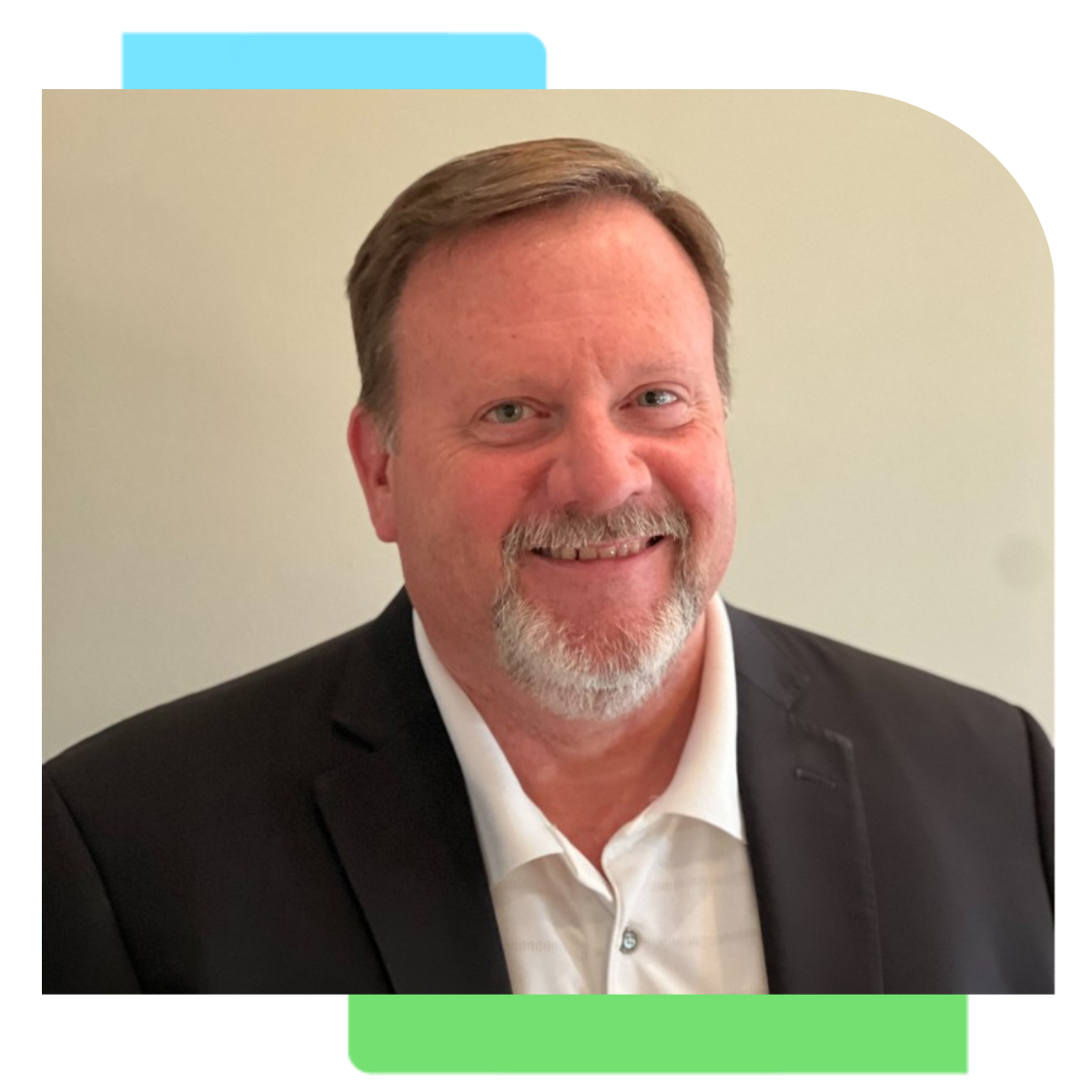
Peter Webster is a senior talent acquisition and HR technology executive with more than 30 years of experience, including over two decades in the life sciences and CDMO sectors. He has held leadership roles at Merck and Catalent, where he drove large-scale hiring initiatives, implemented global HR technologies such as Workday, and supported rapid organizational growth. Today, as founder of Webster Search & Consulting, Peter partners with companies to modernize HR systems, build effective recruiting strategies, and strengthen workforce capabilities, all with a focus on helping life sciences organizations deliver life-changing medicines to patients.