
Q3 2025 HIRE Report

Q3 2025 HIRE Report
Quarterly Hiring Insights and Recruiting Environment (HIRE) Report by Advanced RPO
I want to take a minute to talk about AI. It’s inevitable that this HIRE report weaves in a good bit of content and guidance on using AI within your recruiting processes. However, our stance is that the implementation of AI should be purposeful and intentional.
It’s not that we’re being conservative. We just know from years of experience that “high tech” doesn’t work without “high touch.” That balance requires a tech-forward – not a tech-at-all-costs – approach that still preserves the singular, most important element of HR: humanity.
A new, bold prediction from investor Mark Cuban warns us of precisely this challenge.
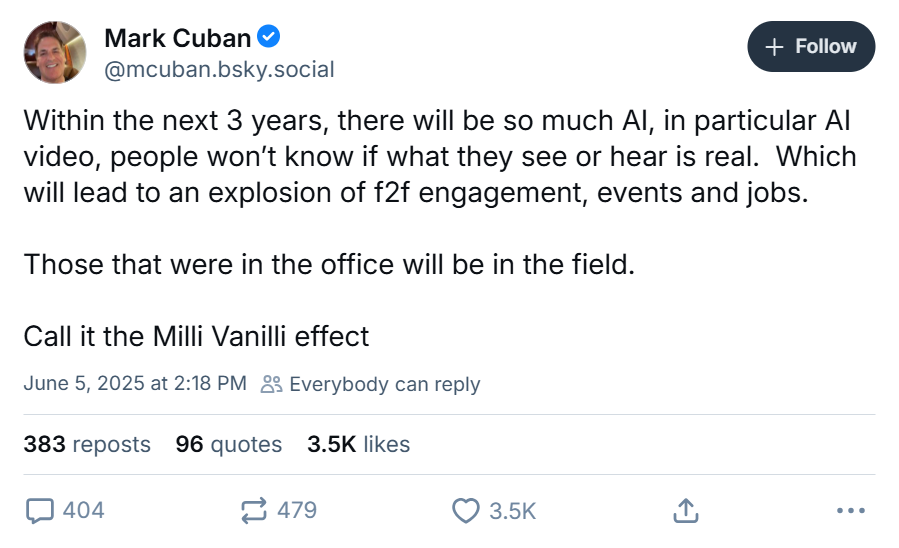
Gives new meaning to “keep it real.”
We open and close this issue of the HIRE Report with a look at AI—from how it’s reshaping the skills that matter most in today’s workforce to how forward-thinking teams are using it to streamline and strengthen their recruiting processes. In between, we touch on the changing definition of “career,” some industry-specific hiring trends, and so much more.
We hope you love the report, share it with your colleagues, and reach out to us to keep the conversation going.

Pam Verhoff
President and CEO, Advanced RPO

Hiring Insights
EQ in the AI Era
In this age of AI, EQ is just as important (and maybe more so!) than IQ. Employees with a high EQ, or emotional intelligence, will be the ones able to collaborate, innovate, and lead – the skills that will be most important in an automated workplace.
But EQ is hard to measure, and to be honest, this is where most organizations struggle. Hiring managers love their metrics. Years of experience, specific degrees, certifications they can check off a list – it’s easy to defend and is far less risky than trying to spot and measure adaptability, motivation, and creative thinking.
Training your hiring managers to spot these qualities means developing entirely new evaluation frameworks – ones that look at how someone thinks and feels, not just what they know. And the traditional “Tell me about your greatest weakness” isn’t going to cut it.
Here are 9 interview questions that can actually help you spot EQ.
Adaptability and resistance
“Walk me through a time when a major project got completely derailed. How did you handle it?”
“Describe a situation where you had to learn something new under a tight deadline.”
“We’ve all received feedback that was hard to hear. What did you do with it?”
Conflict resolution and communication
“Imagine you have to deliver bad news to a client. How would you approach it?”
“Describe a time when your peers were in conflict. What role did you play?”
“Tell me about a time when you had to get buy-in from someone resistant to your idea.”
Influence without authority
“Tell me about a time when you had to motivate a peer who was disengaged.”
“Share an example of when you changed someone’s mind about an important decision.”
“Tell me about a project where you had to coordinate across different departments or teams.”
Don’t forget about the smaller cues that can provide insight into their character, values, and Interpersonal skills, too. Pay attention to how they interact with others on your team, if they ask thoughtful questions about company culture, and if they adapt their communication style when talking to different people.
Gen Z’s redefining “career”
When it comes to younger employees, traditional career ladders are out. Instead, they prioritize skills, meaning, and flexibility over titles and hierarchy. For employers, this changes everything from recruitment strategies to retention programs.
Here’s a secret to spotting potential: the best Gen Z candidates often have zigzag career paths. Maybe they switched majors twice or started a side hustle. These experiences signal the kind of versatility and agility your organization needs. When interviewing, dig into what they learned from each pivot.
We can’t forget the trickle-down impact of this on succession planning. If the career ladder is no longer vertical, you’ll need to make room for new types of leadership rungs – like technical experts without direct reports or cross-department project managers.
Our expert’s advice
What all those sideways career moves taught Gen Z is that you don’t have to move up to move forward. Instead of trying to force them onto your promotion ladder, consider creating formal lateral development tracks. Think of project-based assignments that let employees explore different areas of the business. It keeps them engaged while building a more knowledgeable, connected workforce.

Amanda Sprenkle
Account Manager, Advanced RPO
Embracing fractional talent
(Long) gone are the days of holding onto talent for decades. Employees are much more open to the idea of a career with many different stops, taking what they can from each employer and applying that experience to the next.
Now many companies are doing the same – turning to fractional talent and project-based experts instead of investing in employees and having to pay to replace them every year or two. Why? Speed, expertise, and cost efficiency.
This model has been in place for years for well-defined projects and specialized skills gaps, like in IT. But now we’re seeing roles like HR specialists, content creators, and operations managers shifting to fractional. They bring something invaluable: diverse experience from working across multiple organizations and industries.
There are a few things to consider when it comes to workforce planning:
- It takes intentional management. Establish frameworks for seamless collaboration between fractional and full-time staff at all levels.
- You’ll need to create formal initiatives for knowledge transfer, ensuring continuity through documentation and cross training.
- It’s best to have a skills-based mindset here. Shift from role-based hiring to bringing in certain skills, even sharing a resource across teams or departments.
Recruiting Environment

Life Sciences
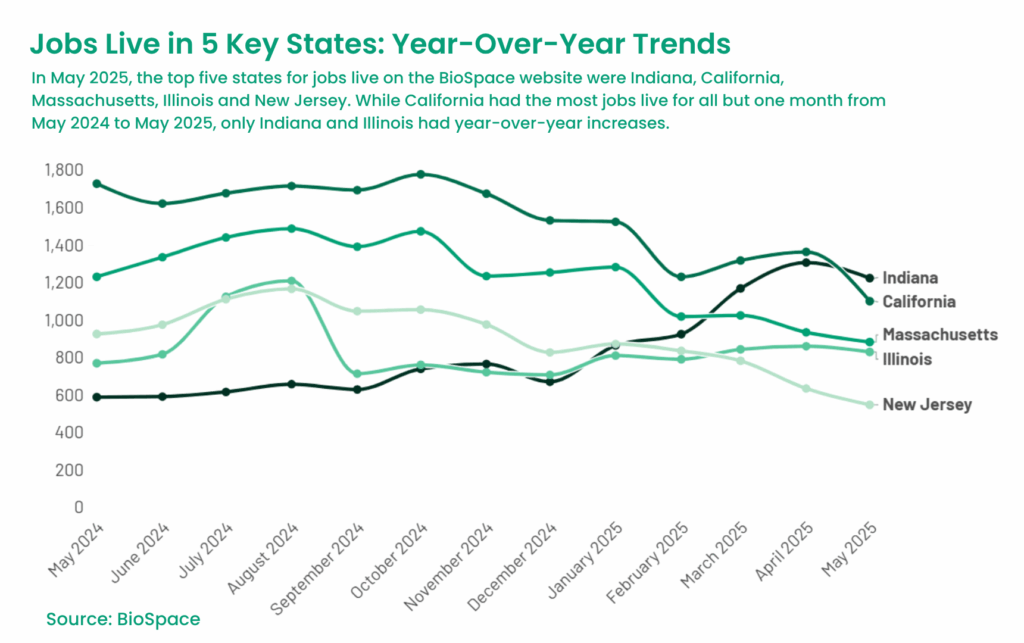

Manufacturing
Articles we read
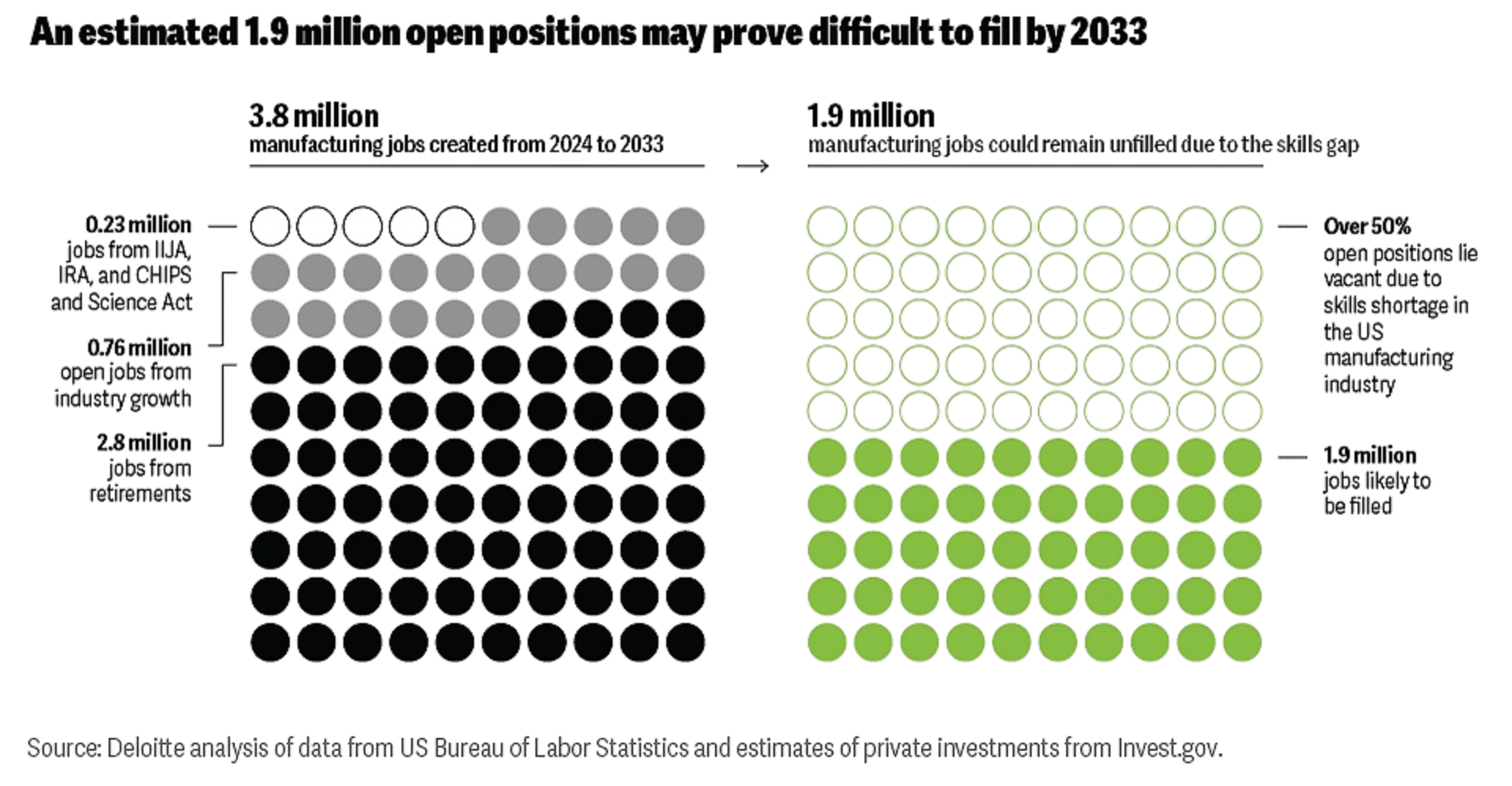

Food & Beverage
Articles we read
Looking Ahead to Q4
Next up: AI-powered recruiting 101
AI in recruiting can feel overwhelming. The good news? The most successful organizations are taking baby steps, not giant leaps.
They’re tweaking existing processes with smart, accessible tools rather than attempting a radical transformation that they (likely) aren’t ready for. Think of how you use tools like Siri or Alexa in your personal life. They handle tasks like setting reminders, answering questions, and managing your calendar, giving you time and headspace for what matters most.
Our expert’s advice
Identify your biggest time drains and repetitive tasks. Where does your team spend hours on manual work that could be automated? Where do candidates hit friction points? These bottlenecks are your AI sweet spots.

Jan Grohoske
Senior Director of Digital Strategy and Implementation, Advanced RPO
For more information about any of these topics or to learn more about how an RPO partner can help you reach your hiring goals, please contact us.
Subscribe
Get updates and new content delivered right to your inbox. Unsubscribe anytime.
Featured resource
2025 Recruitment Program Self-Assessment
Jumpstart your talent acquisition improvement plan with a 9-step recruiting program evaluation.